Milica Trajković for RTV: “Our mission is to turn science into solutions that transform agriculture”
How scientific research is transformed into practical solutions for agriculture, industry, and society was the central topic of an interview with Milica Trajković, Head of the innovation and business development center at the BioSense Institute, on Radio Television of Vojvodina. Speaking about the role of the innovation and business development center, Trajković emphasized that its […]
How scientific research is transformed into practical solutions for agriculture, industry, and society was the central topic of an interview with Milica Trajković, Head of the innovation and business development center at the BioSense Institute, on Radio Television of Vojvodina.
Speaking about the role of the innovation and business development center, Trajković emphasized that its mission is to connect researchers with the needs of industry and agricultural producers, ensuring that scientific achievements are translated into practical applications as efficiently as possible.
“The Innovation and Business Development Center serves as a bridge between science, innovation, and real-world challenges. Our goal is to understand the needs of farmers and companies, connect them with our researchers, and jointly develop solutions that improve their operations,” said Trajković.
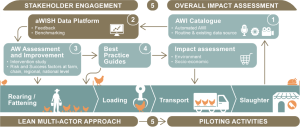
One example of this approach is a Horizon Europe-funded project in which BioSense is developing technologies to improve animal welfare in livestock production. By combining artificial intelligence with advanced algorithms, researchers are creating a system for the early detection of coughing in pigs, enabling the timely identification of health issues and faster veterinary intervention.
In addition to developing innovative technologies, BioSense strengthens its competitiveness through extensive international collaboration with leading research institutions across Europe and beyond. These partnerships foster knowledge exchange, provide access to the latest scientific advances, and support the joint development of solutions to global challenges.
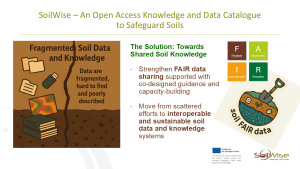
Speaking about the SoilWise project, Trajković highlighted the importance of establishing a shared European soil health database, which will provide researchers with high-quality data for scientific studies and support the development of new digital tools for sustainable agriculture.
She also announced several upcoming international activities at the Institute, including a major autumn event dedicated to advanced technologies for collecting and processing data from sensors, drones, and satellites. The event will bring together representatives of industry and academia from Germany and the Western Balkans at the BioSense Institute.
Concluding the interview, Milica Trajković stressed that the Institute’s success is driven by people who see their work as an opportunity to contribute to society.
“We do not see this as just a job. We want our work to contribute to scientific progress, sustainable agriculture, environmental protection, and a better quality of life. We may not be able to solve climate change on our own, but we can certainly be one small step toward major change,” she concluded.
Milica Trajković once again underscored the role of the BioSense Institute as one of Serbia’s leading innovation centers, developing solutions for a more sustainable future by connecting science, industry, and cutting-edge technologies.